
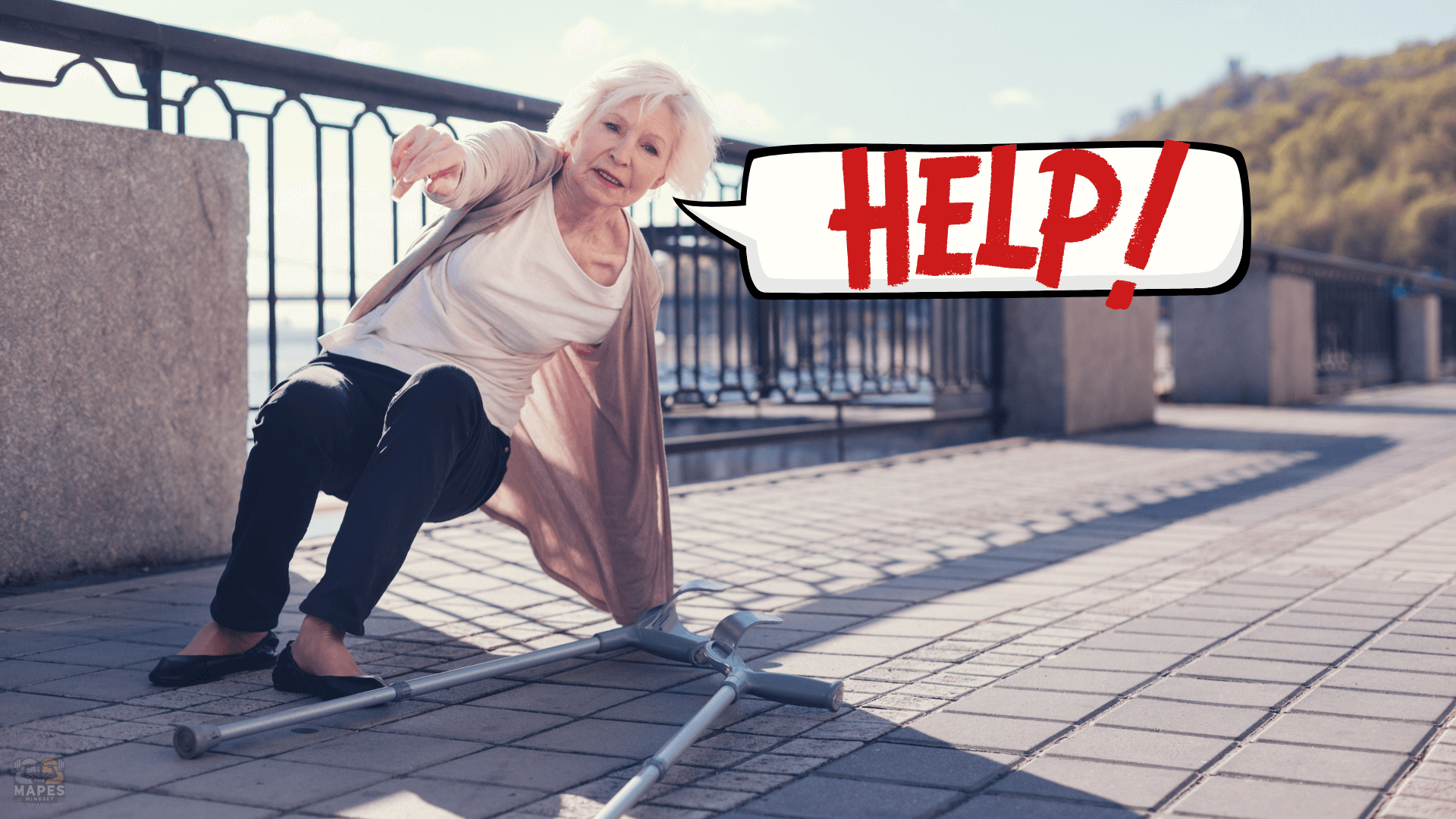
Ever seen someone fall and not be able to get up? That right there is why strength training isn’t just for young people. It’s the foundation of functional fitness for longevity.
Getting older doesn’t mean you have to slow down or stop doing the things you love. It just means your body needs a little extra attention to keep up. The truth is, the loss of strength and balance that comes with age isn’t something you have to accept. It’s something you can fight and win with the right approach.
What Really Happens as We Age
As we get older, muscle naturally starts to decline. This process is called sarcopenia, and it usually starts creeping in around our 30s. The good news is that you can slow it down or even reverse it with consistent strength training and a focus on functional fitness for longevity.
The challenges people face aren’t just about looking older. They’re about feeling less capable. Getting up off the floor, climbing stairs, or even carrying groceries can start to feel harder than they used to. That’s not weakness or laziness. It’s simply a lack of strength and stability from not challenging your body often enough.
What Functional Fitness Really Means
Functional fitness for longevity is about training your body to move the way it was designed to move for the long haul. It’s not about chasing six-pack abs or setting personal records every week. It’s about being able to handle real-life tasks without pain or fear of getting hurt.
The goal is to improve strength, balance, coordination, and mobility in ways that actually make your life easier. You don’t need fancy machines or hours in the gym. You just need to move with purpose and consistency.
Practical Strength You Can Use
Here’s how functional training can directly improve your day-to-day life:
Getting up off the floor after a fall: Practice bodyweight squats, pushups, or heels-elevated goblet squats. These help you build strength in your legs and upper body so you can confidently get yourself up if you ever end up on the ground.
Carrying groceries or grandkids: Farmer’s carries, suitcase carries, and deadlifts train grip strength and core stability, two things that keep you capable in everyday life.
Climbing stairs or standing up from a chair: Step-ups, split squats, and box squats mimic those same movements so they become easier.
Reaching overhead or turning safely: Shoulder presses and controlled rotational movements improve stability and mobility in your shoulders and core.
You can do most of these with minimal equipment, and they don’t require a gym membership. The key is to keep moving and make it part of your routine. Over time, these movements build the type of functional fitness for longevity that keeps you strong, mobile, and independent.
It’s Never Too Late to Start
One of the biggest misconceptions I hear is that it’s too late to start strength training. That couldn’t be further from the truth. I’ve seen people in their 60s and 70s make incredible progress—not because they train like athletes, but because they train consistently.
Every time you move with intention, you’re teaching your body how to stay capable. The small improvements add up and create real, lasting change. That’s the heart of functional fitness for longevity: training to stay strong for life.
The Bottom Line
Your strength is your independence. The ability to get off the floor, climb stairs, carry what you need, and move with confidence is what keeps you living fully.
Start small. Focus on the basics. Build strength that actually serves you in real life.
If you’re ready to move better, feel stronger, and stay capable for years to come, I can help you build a plan that fits your goals and lifestyle.
👉 Click Here to learn more!