
Most people start working out because they want to look better. There is nothing wrong with that. Wanting to feel confident in your body is a valid goal.
But as the years go on, priorities tend to shift. Looking good still matters, but moving well, staying pain free, and remaining independent start to matter a whole lot more. That is where training for longevity comes in.
Training for longevity is not about chasing the perfect physique. It is about building a body that supports you for decades, not just beach season.
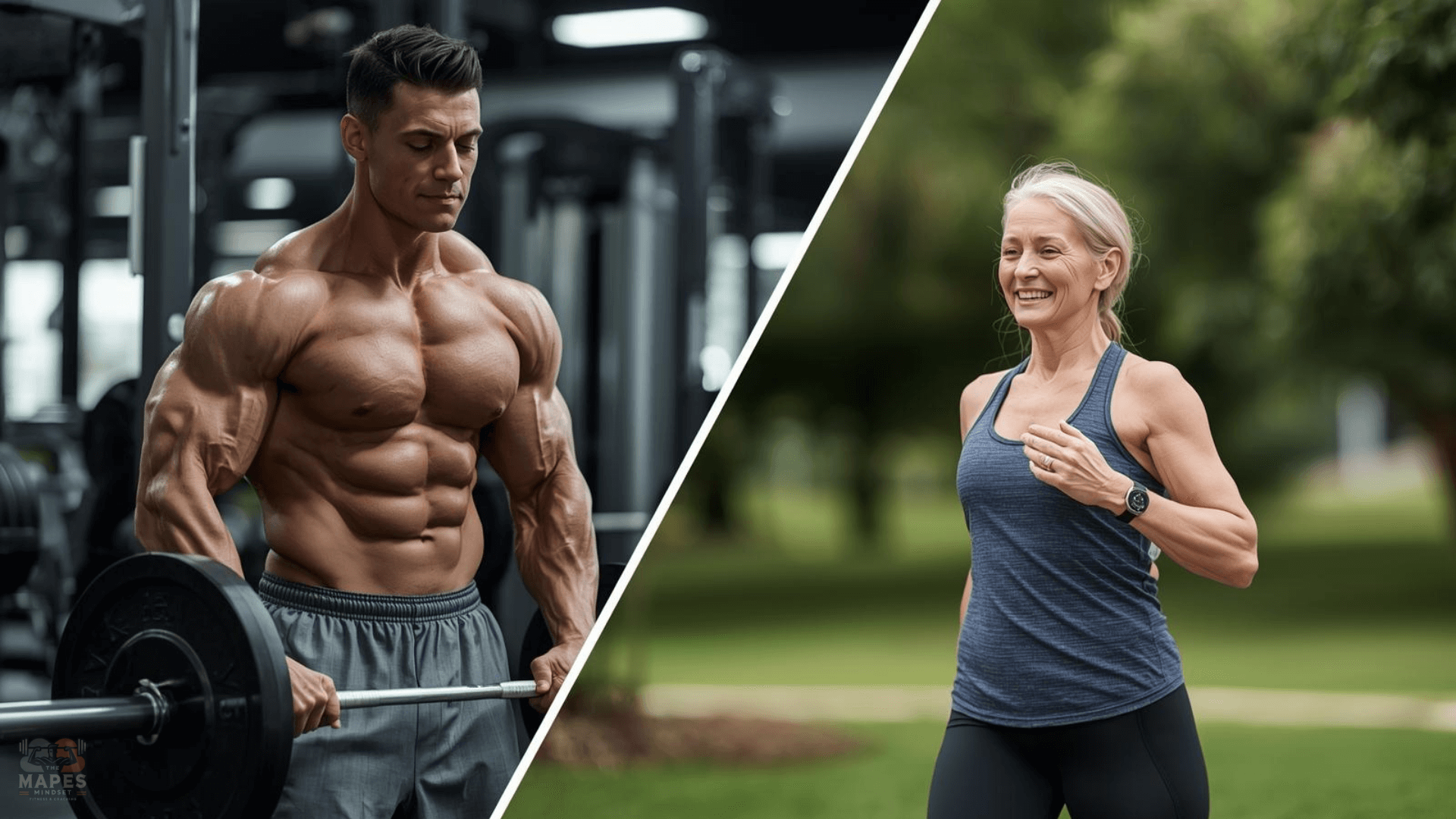
Aesthetics Focus on Appearance
Longevity Focuses on Capability
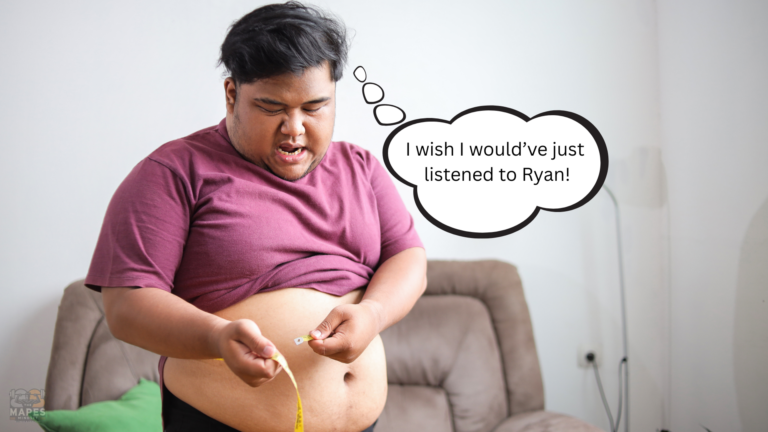
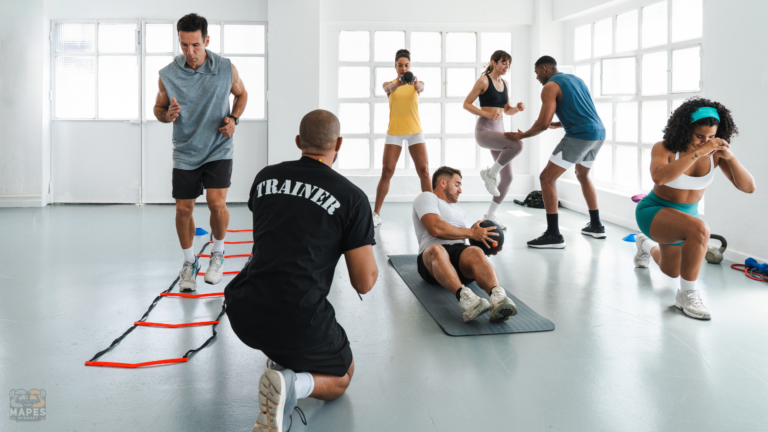
When someone trains primarily for aesthetics, the goal is often muscle size, leanness, or hitting certain visual milestones. Programs are usually built around high volume workouts, isolated movements, and pushing fatigue.
Training for longevity looks at the body differently. The focus shifts to strength that transfers to real life, joint health, balance, coordination, and recovery. The question is no longer “How do I look?” but “How well does my body actually work?”
Can you get up off the floor without help
Can you carry groceries without pain
Can you move confidently without worrying about injury
Those are longevity questions.
Why Longevity Training Matters More As You Age
As we get older, muscle mass naturally declines. So does balance, coordination, and bone density if they are not trained. This is not something that suddenly happens one day. It builds slowly over time.
The good news is that strength training is one of the most effective ways to slow down or even reverse that process. When done with intention, it helps preserve muscle, protect joints, and maintain independence.
Training for longevity is not about avoiding hard work. It is about choosing the right kind of work.
What Training for Longevity Actually Looks Like
Longevity focused training emphasizes movements that support everyday life.
Squatting so you can sit down and stand back up with ease
Pushing so you can get yourself off the floor if you fall
Pulling so your shoulders and back stay strong and stable
Carrying weight so daily tasks stay manageable
Exercises like bodyweight squats, goblet squats, pushups, rows, carries, and controlled hinge movements do far more for long term health than endlessly chasing heavier lifts or extreme workouts.
Just as important is recovery. Training for longevity respects rest, sleep, mobility, and consistency. You should leave workouts feeling better, not broken.
The New Year Mindset Shift
With a new year approaching, many people think about goals, resolutions, and big changes. This is a great time to step back and ask what you really want from your training.
If your goal is to stay active, capable, and confident well into the future, training for longevity needs to be part of the plan. Short term results are nice, but they should never come at the expense of long term health.
Training for longevity is about playing the long game. It is about building strength that supports your life, not just your reflection.
You do not need extreme workouts or complicated programs. You need a plan that makes sense for your body, your schedule, and your future.
If you are ready to train with purpose and build strength that lasts, I can help you do exactly that.
👉 Click here to learn more about training with Ryan!